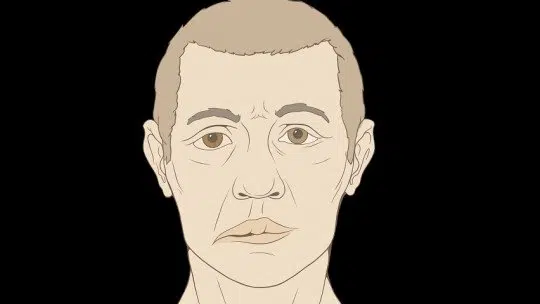
Bell's palsy is a condition that causes temporary weakness or paralysis on one side of the face, resulting in an asymmetrical facial appearance. Symptoms include difficulty closing one eye, smiling, frowning, and excessive tearing. The cause of Bell's palsy is not yet fully understood, but it is believed to be related to inflammation of the facial nerve. Treatment typically involves corticosteroids, facial physical therapy, and rehabilitation therapy. Most cases of Bell's palsy improve within a few weeks to months, but in some cases, surgery may be necessary.
Causes of Bell's palsy: understand what can trigger this facial condition.
Bell's palsy is a condition that affects the facial nerve, resulting in weakness or paralysis of the muscles on one side of the face. The exact causes of this condition are not yet fully understood, but there are some factors that may trigger its onset.
One of the possible causes of Bell's palsy is inflammation of the facial nerve, which can be triggered by a viral infection, such as herpes simplex. This inflammation can compress the nerve and interfere with its ability to transmit signals to the facial muscles, resulting in paralysis.
In addition, some medical conditions, such as diabetes, hypertension, and autoimmune disorders, can also increase the risk of developing Bell's palsy . Stress and fatigue can also play a role in the onset of this condition, as they can weaken the immune system and make the body more susceptible to viral infections.
In some cases, Bell's palsy can be triggered by head or facial injuries, as well as by certain medical procedures, such as surgery or dental examinations. However, these situations are less common and are usually associated with more severe cases of the condition.
It is important to emphasize that Bell's palsy is not caused by stroke or other more serious conditions, although it shares some similar symptoms. If you experience symptoms of Bell's palsy , such as sudden facial weakness, difficulty closing one eye, or difficulty smiling, it is crucial to seek immediate medical attention for proper diagnosis and treatment.
Identifying the symptoms of Bell's palsy quickly and easily.
Bell's palsy is a condition that causes sudden weakness or paralysis on one side of the face. Symptoms can vary from person to person, but the most common include difficulty closing one eye , drooping eyelid , loss of control of facial muscles , and drooling . Additionally, the affected person may have difficulty smiling or eating due to the weakness of the facial muscles.
The cause of Bell's palsy is not yet fully understood, but it is believed to be due to inflammation of the facial nerve. Some risk factors include viral infections , stress , and diabetes.
Treatment for Bell's palsy typically includes steroid medications to reduce inflammation of the facial nerve, physical therapy to strengthen facial muscles, and rehabilitation therapy to improve facial function. In some more severe cases, surgery may be necessary to correct the paralysis.
Is complete recovery from Bell's palsy possible? Learn more about this process.
Bell's palsy is a condition that affects the facial nerve, causing sudden weakness or paralysis on one side of the face. Symptoms include difficulty closing one eye, difficulty smiling, and drooling. Although the exact cause of Bell's palsy is unknown, it is believed to be due to inflammation of the facial nerve.
Although it is a frightening condition, most people recover completely from Bell's palsy. Treatment usually involves the use of corticosteroids to reduce inflammation and speed recovery. In addition, physical therapy may be recommended to help strengthen the affected facial muscles.
It is important to emphasize that full recovery from Bell's palsy can take several weeks or even months. During this period, it is crucial to be patient and follow all medical instructions. Recovery varies from person to person, but the vast majority of patients are able to regain full facial nerve function.
In rare cases, Bell's palsy may not fully recover, leaving permanent scars. However, these cases are the exception rather than the rule. With proper treatment and care, most people can overcome Bell's palsy and return to a normal life.
Virus responsible for Bell's palsy: find out what causes this condition.
Bell's palsy is a condition that causes sudden weakness in the muscles on one side of the face, resulting in an asymmetrical facial appearance. One of the main questions about this condition is the causative agent, which is related to a specific virus .
The virus responsible for Bell's Palsy is Herpes Simplex , the same virus that causes cold sores. When the virus manifests in the facial nerve, it can lead to inflammation and compression of the nerve, resulting in the characteristic symptoms of Bell's Palsy.
It is important to emphasize that Bell's Palsy is not a contagious condition, as the Herpes Simplex virus is common and can be present in the bodies of many people without necessarily causing paralysis.
Treatment for Bell's palsy typically involves corticosteroids to reduce facial nerve inflammation and speed recovery. Physical therapy and acupuncture may also be recommended to help rehabilitate the affected facial muscles.
Bell's Palsy: Symptoms, Causes, and Treatment
It's such a calm day walking down the street and suddenly we realize we can't close our eyes. We try to talk and realize we can't move half of our mouths, or we realize it's extremely weak. We drink or throw food or drink from our mouths, as if we were leaving the dentist under anesthesia. We rush to the hospital, and after several urgent tests and scans, they indicate that he's not giving us a stroke, but rather that we have Bell's palsy.
What is this? What are we doing? In this article, we'll talk about this paralysis.
Bell's palsy
Bell's palsy, also simply called facial paralysis or mononeuropathy of cranial nerve VII, is a neurological disorder in which part or all of the face suffers from paralysis or decreased muscle tone. This paralysis results from an injury or problem in the facial nerve or seventh cranial nerve, usually in the presence of inflammation. This nerve allows for human mobility of the facial muscles, so its alteration creates difficulty or absence of voluntary movement.
It is a relatively common disorder . The most common symptoms are the aforementioned paralysis (which usually occurs only on one side of the face), the inability to close one eye, deviation of the mouth to the side that retains movement, drooling, and difficulties in talking and feeding. Tearing is also frequent.
Occasionally, headaches, jaw pain , or perceptual abnormalities such as hyperacusis or inability to taste in the affected area may occur. These symptoms usually appear suddenly, although it may take two to three days for them to fully develop and manifest.
Although at first glance it may not seem overly limiting, it should be borne in mind that it can be considerably damaging: communication difficulties can greatly affect interpersonal relationships or even work-related issues. Similarly, these communication difficulties, and others like those related to drinking or eating, can affect the patient's self-esteem and be a major source of frustration and stress.
Bell's palsy is a disorder that can occur at any time in life, although it is most common in adulthood and middle age (it is uncommon before the age of sixteen). This type of paralysis is usually temporary (although it can last for months).
- You may be interested in: ” Cerebral Palsy: types, causes, symptoms and treatment “
Causes
As we said, this paralysis is caused by inflammation of the seventh cranial nerve. However, the causes of this inflammation are unknown, being idiopathic (that is, of unknown cause) in most cases. In fact, another name for this disorder is idiopathic facial paralysis.
In some cases, there appears to be a link to viral infections such as herpes simplex, shingles, or HIV. Some cases have also appeared since flu vaccination. It can also arise from any head injury or wound that can damage the nerve.
Another factor that can cause this is suffering from some type of tumor that will compress or directly affect the nerve , as well as a stroke. Finally, it should be mentioned that pregnancy increases the risk of suffering from this type of paralysis, as well as suffering from disorders such as diabetes or respiratory problems.
Treatment
Bell's palsy is, in the vast majority of cases, temporary (approximately 80%), therefore specific treatment for this disorder is not usually required. In cases where the paralysis persists, the possible cause should be explored, analyzing the reason for the malfunction of the seventh cranial nerve and applying a specific treatment for each case. For example, the use of antibiotics or antivirals in case of bacterial or viral infection, or the treatment of a possible tumor.
It is common to use steroids and anti-inflammatory drugs to reduce inflammation of the nerve and surrounding area. Bioelectrical muscle stimulation and physiotherapy can also facilitate nerve excitation and function.
In cases where there is difficulty closing the eyes, artificial tears are also applied to keep them clean and hydrated. Finally, there is the possibility of using decompression surgery , although this is not recommended and, in many cases, its actual effectiveness is debated.
Prognosis
The prognosis in most cases is positive: symptoms usually begin to gradually decrease in the first few weeks in a process that can last several months. Recovery tends to be complete, although this depends on the cause and the type of impairment it causes. In other cases, weakness or minor spasms may appear , or changes such as altered taste.
In any case, it is essential to go to the doctor's office as soon as possible if our face or part of it is paralyzed: we must keep in mind that sudden facial paralysis can also be the result of a stroke, which can have serious consequences or even lead to death.
References:
- National Institute of Neurological Disorders and Stroke (2016). Bell's palsy [Published online]. Available at: https://espanol.ninds.nih.gov/trastorno/paralisis_de_bell.htm
- León-Asilah, M.E.; Benzur-Alalus, D. and Álvarez-Jaramillo, J. (2013). Bell's palsy, a case report. Spanish Journal of Oral and Maxillofacial Surgery, 35 (4). Barcelona

Contents
- 1 Causes of Bell's palsy: understand what can trigger this facial condition.
- 2 Identifying the symptoms of Bell's palsy quickly and easily.
- 3 Is complete recovery from Bell's palsy possible? Learn more about this process.
- 4 Virus responsible for Bell's palsy: find out what causes this condition.
- 5 Bell's Palsy: Symptoms, Causes, and Treatment
- 6 Bell's palsy
- 7 Causes
- 8 Treatment
- 9 Prognosis