- Dysphagia increases the risk of choking, malnutrition, and aspiration pneumonia, requiring early diagnosis and monitoring.
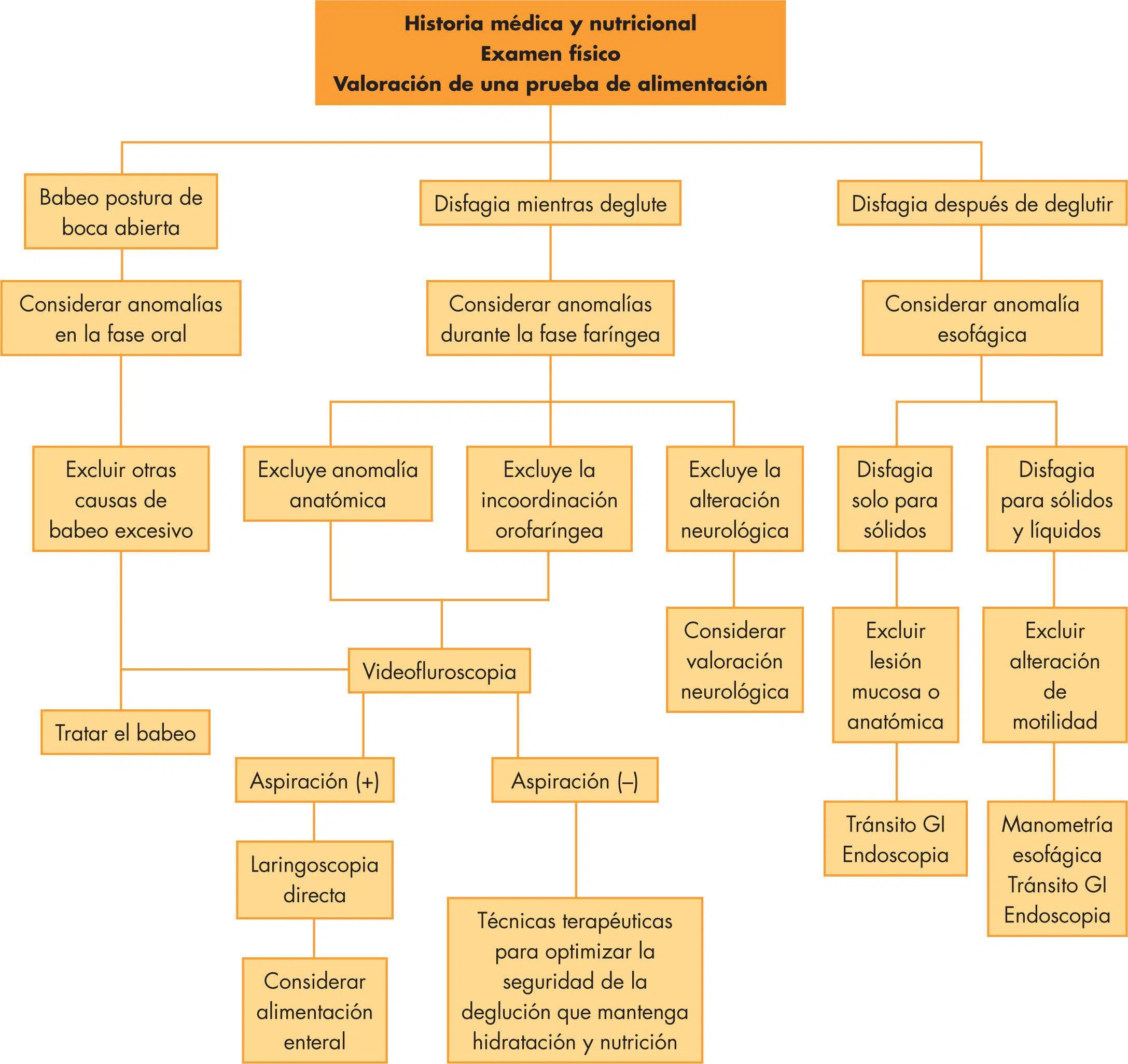
- Clinical and instrumental examinations, such as FEES and videofluoroscopy, guide adjustments in the posture, texture, and volume of food.
- The treatment is transdisciplinary, combining nutritional support, oromotor intervention, postural management, and psychological support.
- Alternative feeding methods, such as gastrostomy, can ensure safety and a better quality of life in severe cases.
Swallowing is such an automatic act that we almost never think about it until it starts to go wrong. When swallowing requires effort, causes coughing, choking, or fear at mealtimes, quality of life plummets and the risk of serious complications increases significantly. In these situations, swallowing tests become fundamental to understanding what is happening and planning truly safe care.
In eating disorders and neurological conditions such as cerebral palsy, swallowing problems (dysphagia) are frequent, complex, and often underestimated. Structured monitoring of feeding and swallowing functions helps prevent malnutrition, dehydration, aspiration pneumonia, and even repeated hospitalizations. Below, you will see in detail what dysphagia is, what tests exist, what they are for, and how treatment begins, always with a practical focus and clear language.
What is dysphagia and why is it so important?
Dysphagia is the medical term used to indicate difficulty swallowing food, liquids, or even saliva. Under normal conditions, food is chewed in the mouth, passes through the throat, travels down a muscular tube called the esophagus, and reaches the stomach without major obstacles. This process involves fine coordination between muscles, nerves, and the respiratory system.
Occasionally choking, eating too fast, or chewing too little doesn't necessarily mean you have dysphagia. The warning sign appears when the problem is constant: food seems to "stop" in the throat, the person needs to exert more force to swallow, feels pain, coughs frequently during meals, or avoids certain foods for fear of choking.
Dysphagia can occur at any age, but it is much more common in the elderly and in people with neurological diseases. Cerebral palsy, strokes, degenerative diseases, sequelae of surgeries or cancer treatments, and some eating disorders can compromise the phases of swallowing, altering the safety and efficiency of the process.
When dysphagia is not identified and treated, the risk of potentially serious complications increases. Among the most important are choking, excessive fluid loss (dehydration), malnutrition (insufficient caloric and protein intake), and, most importantly, aspiration of food or liquids into the airways, which can lead to recurrent pneumonia and even the need for ICU admission.
Main risks and complications of dysphagia
The greatest fear for those with dysphagia is the risk of aspirating food or liquids into the lungs. When the contents that should go down the esophagus enter the airway, coughing, wheezing, a feeling of suffocation, and, in many cases, recurrent respiratory infections occur. Aspiration pneumonia is one of the most frequent complications of untreated dysphagia.
Another significant impact is the difficulty in maintaining adequate nutrition. If a person experiences pain, fatigue, fear, or extreme discomfort when eating, it is common to avoid meals, reject certain consistencies (especially thin liquids), and gradually reduce the volume ingested. This results in weight loss, loss of muscle mass, and increased vulnerability to infections.
Dehydration is an additional problem that is often overlooked. Patients who have more difficulty swallowing liquids tend to drink less water, which impairs kidney function, blood pressure, bowel function, and thermoregulation. In children with cerebral palsy or eating disorders, dehydration can further exacerbate developmental delays.
The emotional and behavioral impact cannot be ignored either. Mealtime can become a moment of anxiety, stress, and tension for both the patient and their family or caregivers. Repeated choking, crying, food refusal, and long meal times disrupt routines, affect bonding, and hinder social participation in activities involving food.
For all these reasons, it is essential to investigate any persistent signs of swallowing difficulties early. Swallowing tests allow us to understand at what stage of the process the problem is occurring, quantify the risk of aspiration, guide changes in consistency, and, if necessary, indicate alternative feeding routes in a safe and planned manner.
Swallowing tests: types, indications, and what they assess.
There are different tests to evaluate swallowing, ranging from simple bedside screenings to complex imaging exams. The choice of method depends on age, clinical condition, severity of dysphagia, and the objectives of the evaluation (initial diagnosis, treatment monitoring, indication of an alternative feeding route, among others).
The so-called clinical assessment or "bedside swallowing" is usually the first step. In it, a speech-language pathologist (together with a doctor and other professionals) observes posture, head and trunk control, orofacial musculature, oral sensitivity, coordination with breathing, and behavior during the offering of foods of different consistencies.
This clinical assessment serves as a screening tool for dysphagia, helping to identify those who need a more detailed instrumental investigation. Although it does not show the inside of the pharynx and esophagus in real time, it allows for raising suspicions of aspiration, assessing overall swallowing safety, and initiating initial adjustments to posture and food consistency.
When it is necessary to directly visualize the path of the food bolus, imaging technology exams come into play. Among the main ones, the Fiber Optic Endoscopic Swallowing Assessment (FEES) and the Videofluoroscopic Swallowing Study (known by the acronym VFS) stand out. In some cases, these are complemented by barium esophagogram and upper digestive endoscopy to better investigate the esophagus.
These tests allow differentiation between types of dysphagia (oral, pharyngeal, esophageal), quantification of the degree of penetration or aspiration, testing of compensatory maneuvers, and verification of the effect of changes in texture and volume in real time. They are central tools for determining whether oral feeding is safe, whether it needs to be partially restricted, or whether it will be necessary, at least for a period, to resort to an alternative enteral route.
Main instrumental methods for evaluating swallowing.
Fiber Optic Endoscopic Swallowing Assessment (FEES) is an examination in which a small, flexible camera is inserted through the nose into the pharynx. From there, the professional observes the anatomy of the structures, the behavior of the larynx, the presence of accumulated secretions, and the path of food and liquids during swallowing. Various consistencies and volumes can be tested in an environment relatively close to reality.
During FEES (Functional Evoked Response System), it is possible to analyze in detail the protection of the airways, food leakage into the laryngeal region, and the presence of aspiration before, during, or after swallowing. The examination also helps to verify the effect of postural adjustments and specific swallowing maneuvers in real time, guiding rehabilitation very precisely.
The Videofluoroscopic Swallowing Study (VFS), also called a videofluoroscopic swallowing study, is a radiological examination that records on video the passage of food mixed with contrast (usually barium). While the patient swallows different consistencies under supervision, a moving X-ray machine shows the path of the food bolus from the mouth to the esophagus.
The great advantage of VFS is that it allows for the dynamic visualization of all phases of swallowing in sequence. This includes the triggering time of the swallowing reflex, airway closure, displacement of the hyoid bone and larynx, as well as any residue in the pharynx or cervical esophagus. It is also possible to test compensatory postures, variable volumes, and different textures.
Barium esophagogram and upper digestive endoscopy are complementary methods focused primarily on the esophageal portion of swallowing. They help identify strictures, motility changes, inflammation, and gastroesophageal reflux that may contribute to complaints of choking, pain when swallowing, or a sensation of food stuck in the chest.
Dysphagia in children with cerebral palsy and eating disorders
In children with cerebral palsy (CP), feeding and swallowing disorders (FSDs) are extremely common and require a holistic approach, not just focusing on the mouth. Alterations in muscle tone, involuntary movements, delayed motor development, respiratory difficulties, and behavioral issues combine to make the act of eating quite complex.
The management of these eating disorders requires a program of continuous monitoring of feeding and swallowing functions. It's not enough to simply "wait and see": regular assessments allow for rapid adjustments to the care plan as the child grows, changes posture, or goes through phases of greater clinical fragility, preventing serious decompensations.
Therapeutic priorities are generally defined based on the severity of dysphagia and associated comorbidities. Children with significant global motor impairment, recurrent respiratory crises, significant malnutrition, or severe reflux require more intensive strategies and often early indication of an alternative feeding route to protect their lives and provide conditions for development.
To organize this approach, some services use parameters such as safety, efficiency, competence, and swallowing comfort (SECC parameters). Based on these, it's possible to understand whether the main problem is aspiration (safety), low caloric intake (efficiency), lack of autonomy and oral motor control (competence), or distress during meals (comfort), which guides the focus of each intervention.
The family needs to be considered a central part of the care team. Parents and caregivers are key players in daily mealtimes and need guidance, practical training, and emotional support. The goal is to make mealtimes as pleasant as possible, reducing fears, tension, and guilt, and increasing confidence in the safety strategies taught by the team.
Transdisciplinary team: who participates in swallowing care?
Managing dysphagia and eating disorders in cerebral palsy and eating disorders is always a team effort. No single professional can handle all the aspects involved. The exact composition of the team varies depending on the case, but it usually includes a physician (pediatrician, neurologist, gastroenterologist, or otolaryngologist), speech therapist, nutritionist, physical therapist, occupational therapist, psychologist, and, when necessary, a dentist and other specialists.
Each area contributes a specific perspective, but always in dialogue. Speech therapy focuses on the biomechanics of swallowing and on postural and oromotor strategies; nutrition adjusts calories, textures, and supplements; physiotherapy works on postural control, muscle tone, and respiratory function; occupational therapy adapts utensils and positioning; psychology and psychiatry address the emotional and behavioral aspects related to eating.
The intensity of each professional's involvement changes over time, as the child's needs evolve. In phases of greater respiratory instability, for example, respiratory physiotherapy may assume an even more central role. During periods of transition in feeding methods (oral to GTT or vice versa), speech therapy and nutrition are usually more in demand.
A key point is that all important decisions regarding feeding and swallowing should be shared with the family. This includes everything from changes in consistency and meal times to recommendations for feeding tubes or gastrostomy. The more transparent the process, the greater the adherence and the less emotional distress associated with these difficult choices.
The frequency of check-ups is generally determined by the safety and efficiency of swallowing, as well as the clinical response to the treatment plan. In stable cases, many teams recommend at least two annual assessments specifically for swallowing disorders, but more severe or rapidly changing cases may require closer follow-up.
Therapeutic strategies to improve swallowing.
The therapeutic arsenal for treating pediatric dysphagia in cerebral palsy and eating disorders is extensive. Some strategies are applied to virtually all patients (such as basic posture and environmental guidelines), while others are chosen in a highly individualized manner, according to the patient's motor, respiratory, nutritional, and behavioral profile.
From a safety standpoint, the main focus is on reducing the risk of aspiration and protecting the airways. This involves postural adjustments, careful choices of food consistency and volume, and, when necessary, the indication of alternative feeding routes (such as nasogastric tube or gastrostomy) for consistencies considered to pose a higher risk.
Regarding efficiency and competence, the goal is to ensure sufficient intake of energy and nutrients, while simultaneously working to enhance autonomy and oromotor coordination. Techniques for offering food, chewing training, utensil adaptation, and environmental management play a significant role in this area.
In terms of comfort, the goal is to transform mealtimes into a more pleasant and less stressful experience. Reducing oral hypersensitivity, respecting signs of fatigue, better organizing the environment, and supporting the caregiver are fundamental actions to ensure that eating is no longer synonymous with suffering.
Furthermore, there are also specific issues that need to be managed on a case-by-case basis, such as gastroesophageal reflux, constipation, sialorrhea, dental problems, muscle tone disorders, and psychomotor developmental delays. If left untreated, these conditions can significantly worsen dysphagia and compromise the success of interventions.
Postural adjustments and positioning during mealtimes
One of the cornerstones of dysphagia treatment is proper postural management during feeding. Correct posture helps protect the airway, promotes coordination between breathing and swallowing, and facilitates the passage of the food bolus from the mouth to the esophagus.
For this, it is necessary to carefully consider axial tone, changes in global tone (hypertonia or hypotonia), the presence of involuntary movements, and the child's level of sensorimotor experience. In general, the worse the head and trunk control, the greater the need for support and containment devices to ensure stability during meals.
The basis of functional positioning involves pelvic stability and proper alignment of the body axis. This means well-supported hips, a centered trunk, aligned shoulders, and a head in a neutral or slightly flexed position, avoiding hyperextension of the neck, which increases the risk of aspiration.
Several resources can be used to achieve this alignment, such as adapted chairs (feeding chairs with different degrees of inclination), belt or harness systems, lateral trunk supports, tables with cutouts to support the arms, and orthotic devices (such as axial stabilization vests). The choice depends on the severity of the motor impairment and the functional classification (for example, GMFCS levels I to III usually allow for simpler adaptations).
When proper positioning is achieved, the child tends to be more able to actively participate in feeding, facilitating both safety and the learning of skills such as bringing a spoon to the mouth or drinking from a cup. Small adjustments to trunk inclination and head flexion can be tested, always under professional supervision, to find the safest combination for each case.
Modification of food consistency and volume
Adapting the texture of food is one of the most effective and immediate strategies to increase swallowing safety. By modifying the viscosity, it is possible to reduce the chance of the liquid quickly flowing into the larynx, giving more time for the airway's protective mechanisms to act.
In clinical practice, consistency categories such as nectar, honey, and purée are commonly used, in addition to softer or finely chopped solids. Liquids are thickened with specific agents, following precise guidelines from speech therapy and nutrition. The choice of consistency depends on the findings of swallowing tests and the response observed in functional assessments.
The volume of each spoonful or sip is also carefully controlled. In general, smaller volumes are safer, especially in children with a slower swallowing reflex or significant coordination difficulties. Spoons of different sizes can be used as a reference to standardize feeding.
As the child gains oral control, improves muscle tone and coordination, and presents more favorable test results, these adjustments can be gradually reviewed. The goal is always to progress to a consistency as close as possible to the diet of a child without dysphagia, without losing sight of respiratory safety and comfort.
It is essential that any change in texture or volume be made in dialogue with the family, explaining the reasons and the correct way to prepare the food. This avoids dangerous improvisations at home and greatly increases adherence to and effectiveness of the recommendations.
Alternative feeding methods: feeding tube and gastrostomy (GTT)
It is not always realistic to aim for a completely oral diet for all patients with cerebral palsy or severe dysphagia. When swallowing safety is very low or oral intake cannot meet nutritional and hydration needs, the use of alternative feeding routes must be seriously considered.
A nasogastric tube is usually the preferred option in acute or short-term situations. It is indicated, for example, when recovery of oral feeding is expected within a few weeks, or while swallowing abilities are being further assessed. In general, it is not recommended to keep it in place for very long periods due to concerns about comfort, safety, and aesthetic impact.
When the need for enteral support is more prolonged, gastrostomy (GTT) becomes a consideration. This involves direct access to the stomach through a small opening in the abdominal wall, through which formulas, processed or manufactured foods, as well as medications, are administered in a practical and safe manner.
While difficult for many families, the use of a GTT (gastrostomy tube) often brings significant benefits when properly indicated. Generally, significant improvements in weight, better hydration control, greater safety in medication administration, and a reduction in the time and stress associated with attempts at forced oral feeding are observed.
Care of the gastric stoma and surrounding skin, as well as monitoring for complications such as local infections and leakage, are part of routine follow-up. In children with marked hypertonia and opisthotonus, pharmacological control of muscle tone is essential to prevent expulsion or displacement of the feeding tube.
Even when oral feeding is not safe for nutritional maintenance, many programs maintain "therapeutic oral feeding." In this approach, under professional supervision, small amounts of food of safe consistency are tested, with adapted swallowing maneuvers, aiming to maintain the oral experience and work on sensorimotor skills, always respecting safety limits.
Nutritional support, feeding techniques and oromotor intervention
Nutritional support is key in the management of eating disorders, especially in children with high energy expenditure or severe feeding difficulties. The diet is adjusted to ensure adequate caloric intake in smaller volumes, through concentrated formulas, supplements, and foods with increased energy density.
In addition to calories, it's necessary to consider the quality of nutrients, hydration, and how these foods are distributed throughout the day. In many cases, combining adapted oral feeding with tube feeding ensures the ideal balance between safety and nutrition.
Feeding techniques involve details that make a big difference, such as the pace of feeding, portion sizes, the position of the spoon in the mouth, and the intervals between spoonfuls. Feeding too quickly or large portions can overwhelm the child, increase the risk of choking, cause fatigue, and make mealtimes extremely tiring.
Oromotor intervention aims to improve the strength, coordination, and organization of mouth, lip, tongue, and facial movements, in synchrony with breathing. Techniques used include bolus positioning, specific sensory stimuli, saliva control exercises, chewing training, and, when possible, cup drinking training.
Activating the swallowing reflex, improving oral sensory registration, and synchronizing breathing and swallowing are constant targets of therapy, both in children fed via a mixed feeding method and in those who can already maintain partial oral feeding. The goal is always to increase safety and effectiveness, respecting oral maturity (generally from a level equivalent to 12 months for more complex skills, such as chewing).
It is important to differentiate between abnormal sensory and motor patterns characteristic of cerebral palsy and eating behaviors linked to emotional or developmental factors. This distinction prevents purely motor difficulties from being interpreted as "tantrums" or behavioral problems from being masked under the label of dysphagia.
Dining environment, comfort, and psychological aspects
The environment in which meals take place directly influences the quality of swallowing. Excessive noise, many people talking at the same time, intense visual distractions, or very tight schedules can scatter the child's attention and worsen motor and respiratory coordination during feeding.
Organizing predictable eating and drinking routines, with relatively fixed times, a suitable location, good lighting, and a comfortable posture, facilitates supervision and the child's participation. It is also essential to adjust the volume and speed offered according to the level of fatigue and attention, avoiding very long and exhausting sessions.
The choice and adaptation of utensils is another relevant point. Smaller spoons, modified cups, nipples, special baby bottles, or bottles with flow control can be selected according to the overall motor impairment and the degree of oral competence. The greater the functional limitation, the greater the dependence on adapted utensils.
In the realm of comfort, oral hypersensitivity and defensiveness are frequent complaints in cerebral palsy and some eating disorders. Tactile, gustatory, or textural stimuli can generate very intense responses, refusal, nausea, or crying, making eating a moment of great distress.
Working with orofacial sensory integration aims to gradually increase tolerance to these stimuli through careful and progressive exposures. The key is to respect the child's sensory threshold and recognize signs of stress early, so as not to turn therapy into an even greater source of aversion.
Psychological support for the child and caregivers is crucial in many cases. Guilt, fear of choking, grief over the loss of "normal" eating habits, and the daily strain of lengthy and stressful mealtimes can lead to emotional exhaustion. Interventions focused on psychoeducation, anxiety management, and strengthening bonds help make the process easier and more sustainable in the long term.
By integrating careful assessment, specific swallowing tests, transdisciplinary intervention, and active family participation, it is possible to significantly reduce the risk of complications, improve nutritional status, and transform mealtimes into a safer, calmer, and more welcoming experience, even in complex cases of dysphagia associated with eating disorders and cerebral palsy.

Contents
- 1 What is dysphagia and why is it so important?
- 2 Main risks and complications of dysphagia
- 3 Swallowing tests: types, indications, and what they assess.
- 4 Main instrumental methods for evaluating swallowing.
- 5 Dysphagia in children with cerebral palsy and eating disorders
- 6 Transdisciplinary team: who participates in swallowing care?
- 7 Therapeutic strategies to improve swallowing.
- 8 Postural adjustments and positioning during mealtimes
- 9 Modification of food consistency and volume
- 10 Alternative feeding methods: feeding tube and gastrostomy (GTT)
- 11 Nutritional support, feeding techniques and oromotor intervention
- 12 Dining environment, comfort, and psychological aspects