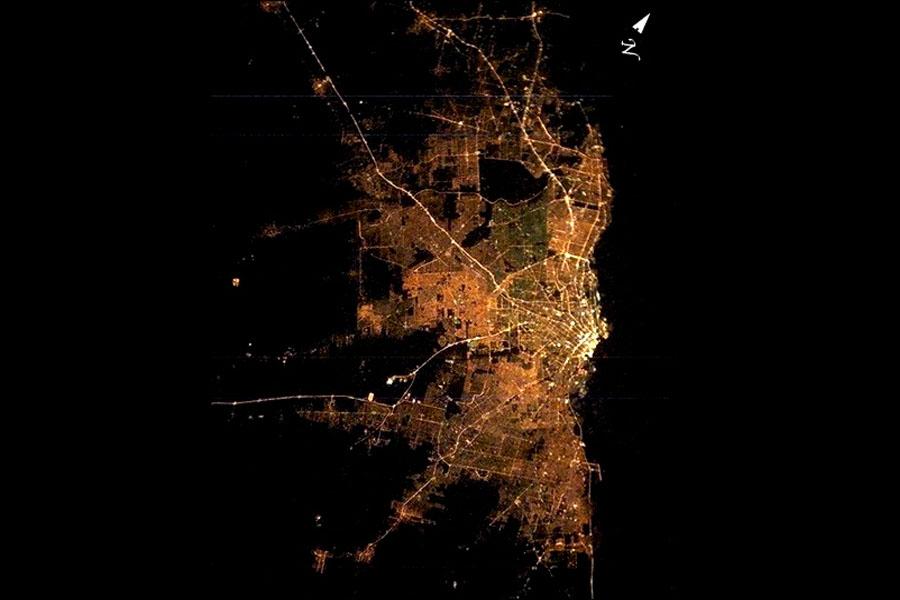
The Buenos Aires Conurbano, also known as the Conurbano Bonarense, is an urban region that extends around the city of Buenos Aires, Argentina. Composed of several localities and municipalities, the Conurbano is characterized by its high population density, ethnic and socioeconomic diversity, and challenges in terms of infrastructure, security, and social development. This region plays a fundamental role in the country's economic, cultural, and political life, directly influencing the dynamics of the Argentine capital.
Discover the cities that make up the province of Buenos Aires in Argentina.
Buenos Aires Conurbano, also known as Conurbano Bonaerense, is a region encompassing the cities that make up the province of Buenos Aires in Argentina. This area is characterized by a large concentration of population and industry, making it one of the most densely populated regions in the country.
Some of the most important cities in the Buenos Aires Conurbation include La Plata , Quilmes , Avellaneda , San Justo , and San Miguel , among others. Each of these cities has its own identity and history, contributing to the cultural and social diversity of the region.
Despite being an area with many employment opportunities and commercial activities, Buenos Aires Conurbano also faces challenges such as poverty, lack of adequate infrastructure, and violence. However, local communities are working to overcome these problems and improve the quality of life of their residents.
In short, the Buenos Aires Conurbano region is a dynamic and diverse region that plays a fundamental role in Argentina's economy and culture. Exploring the cities that make up this area is a way to better understand the country's complexity and richness.
The territorial division of Buenos Aires: discover the neighborhoods and their unique characteristics.
Buenos Aires Conurbano is a region located on the outskirts of the city of Buenos Aires, Argentina. This area is comprised of several municipalities that are part of the metropolitan region of the Argentine capital, forming a large urban agglomeration.
One of the most striking features of Buenos Aires Conurbano is its diverse neighborhoods, each with its own unique characteristics. Some of the best-known neighborhoods include Palermo, Recoleta, San Telmo, La Boca, and Belgrano.
Palermo, for example, is known for its vibrant nightlife and spacious parks, while Recoleta is renowned for its museums and elegant architecture. San Telmo is the city's oldest neighborhood, with its cobblestone streets and antiques markets, and La Boca is known for its colorful houses and the Boca Juniors stadium. Belgrano, on the other hand, is a residential neighborhood with plenty of green spaces and tree-lined streets.
This diversity of neighborhoods makes Buenos Aires Conurbano a region rich in culture, history, and tradition. Each neighborhood has its own identity and contributes to the cultural richness of the region as a whole.
Meaning of the word “caba” in the city of Buenos Aires, Argentina.
Buenos Aires Conurbano is a metropolitan area that encompasses the city of Buenos Aires and its surrounding areas. Within this region, the term "caba" is often used to refer to the inhabitants of the city of Buenos Aires.
Although the term's origins are unclear, it has become a colloquial and popular way of referring to porteños, as the inhabitants of the Argentine capital are known. In some contexts, "caba" can also refer to the city itself, not just the people who live there.
It's important to note that "caba" is not an official term and can be considered informal or even pejorative in some cases. However, it is widely recognized and used among Argentines, particularly in the Buenos Aires Conurbano region.
Therefore, when visiting Buenos Aires or interacting with locals, it's important to understand the meaning and context of the word "caba" to avoid potential misunderstandings. It's a way to familiarize yourself with the local culture and language, enriching your experience in the city.
Number of municipalities in Buenos Aires: what is the total number in the Argentine region?
The Buenos Aires Conurbano is a region located in the province of Buenos Aires, Argentina, encompassing a large number of municipalities. In total, 135 municipalities make up this region, making it one of the most densely populated areas in the country.
The Buenos Aires Metropolitan Area is known for its cultural, economic, and social diversity, and is an important development hub for Argentina. With an estimated population of over 12 million , this region plays a crucial role in the country's economy.
Despite its challenges and problems, Buenos Aires Conurbano continues to attract new residents and investments, consolidating its importance as an urban center in constant growth and transformation.
What is Buenos Aires Conurbano?
The Buenos Aires metropolitan area is a strip of territory surrounding the federal capital of Argentina. This has been the case since 1994, thanks to a constitutional reform that determined that the capital would become a politically autonomous city.
From that year onwards, a geographical separation began between the autonomous city of Buenos Aires (CABA) and the surrounding conglomerate, that is, the suburbs of Buenos Aires, also called Greater Buenos Aires.
Although the terms “Buenos Aires suburbs” and “Greater Buenos Aires” are often used interchangeably, in reality the latter also includes the federal capital.
Another term used to name the conurbano is the Buenos Aires Metropolitan Area (AMBA) and others that are no longer used such as the Buenos Aires Metropolitan Area (ZMBA) or the Buenos Aires Metropolitan Region (RMBA).
In any case, they refer to the same area that begins at the limit point of the Federal Capital, very well identified by Avenida General Paz – which surrounds the city to the north and west – and by Riachuelo in the south.
The east of the capital (and throughout the province of Buenos Aires) has the natural limit of the Río de la Plata.
Area and division of the suburbs of Buenos Aires
The suburbs of Buenos Aires have an area of approximately 2.480 km2, 1% of the total area of Argentina, which surprisingly inhabits a quarter of the entire national population (9.916.715 inhabitants according to the 2010 national census).
The exact size of the area varies depending on the source consulted, as some include certain areas that others do not.
Different laws throughout different periods have changed the territorial division of the conurbano, from its incipient formation in the last quarter of the 1930th century, until the industrialization phase (from 1970 to 1979), where it became more dense and consolidated, and then underwent much more frequent reorganizations in 1989, 1992, 1994 and XNUMX.
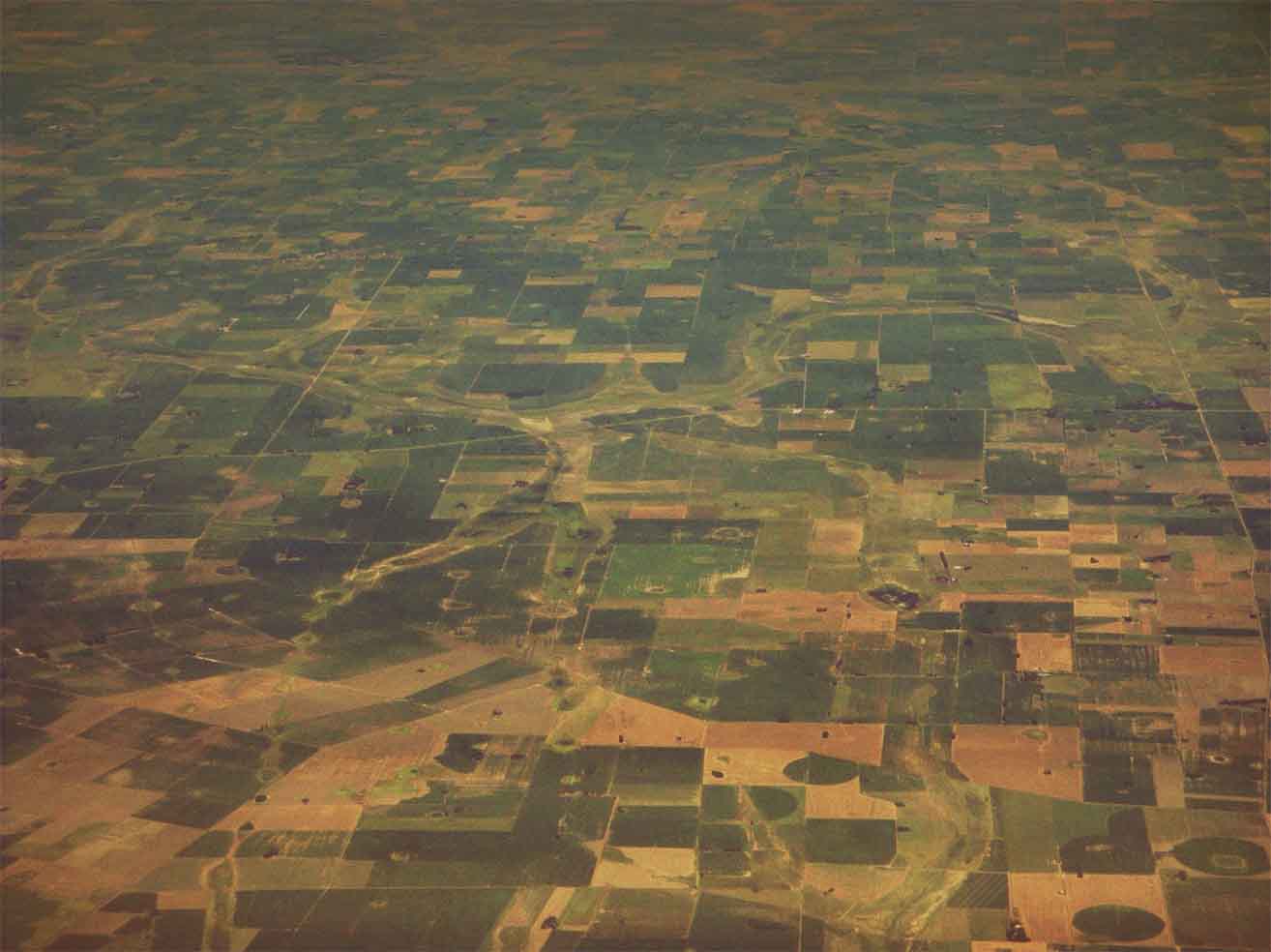
In 2006, Law 13473/06 was enacted, still in force today, which divides the conurban territory into 8 zones and 33 municipalities or parts, namely:
1-Gran La Plata: departures from Berisso, Ensenada and La Plata.
2- Southwest: departures from La Matanza, Lanús and Lomas de Zamora.
3- Southeast: Quilmes, Florencio Varela, Avellaneda, Almirante Brown and Berazategui games.
4- South: Ezeiza, Esteban Echeverría, Presidente Perón and San Vicente festivals.
5- North Center: departures from Tres de Febrero, San Miguel, José C. Paz, General San Martín, San Miguel and Malvinas Argentinas.
6- Northwest: Merlo, Moreno, Pilar and General Rodríguez.
7-Northeast: Escobar, San Fernando, San Isidro, Tigre and Vicente López Games.
8- West: matches from Hurlingham, Ituzaingó and Morón.
It should be noted that so many changes in recent decades partially explain why there are so many denominations and distributions for the same area.
Furthermore, various institutions use different criteria, such as the Directorate of Urban and Territorial Planning or INDEC (National Institute of Statistics and Censuses), regrouping and renaming certain areas for their studies.
For all these reasons, it can be said that the Buenos Aires region is an area known to everyone, but quite ambiguous in its delimitation and description.
Characteristics of the suburbs of Buenos Aires
This area adjacent to the Argentine capital lies on a plateau with depressions through which rivers and streams run and has a large river front over the delta of the Paraná River and the Río de la Plata.
It has a mild climate with temperatures generally 2 to 3 degrees Celsius lower than those of the capital. Together with the capital, it produces more than half of the country's Gross Domestic Product (GDP), thanks to a thriving industry.
Cables in the suburbs of Buenos Aires
As already mentioned, the conurbano begins where the capital ends and extends for approximately 50 kilometers.
They are divided informally and for simple practicality into “first account”, “second account” and “third account”, which are nothing more than imaginary subdivisions of 10 to 15 kilometers each, with the first account being the fringe closest to the capital, and the following concentric cables moving towards the periphery.
The first conurban area, being the closest to the capital, is also the most densely populated and most developed, with a high percentage of middle class, quite stagnant population growth and 100% coverage in basic service networks.
The second cordon is less dense, with a younger population and a lower-middle and lower class; It has empty spaces, but those that are inhabited generally have a significant degree of overcrowding.
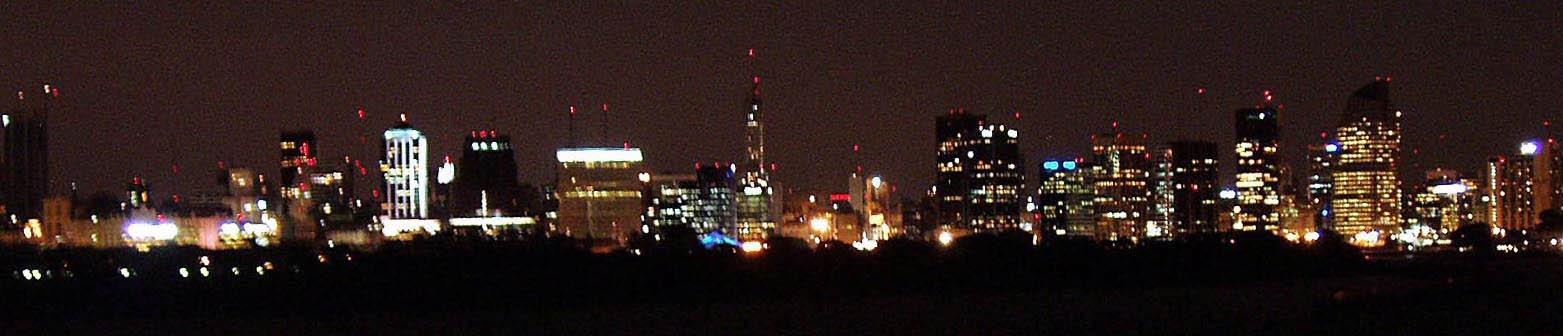
Population growth is faster, and basic services are of lower quality and scope (they generally reach only the center of each suburb). Finally, at the third cordon, the urban zone ends and the semi-rural zone begins.
A more modern division divides the conurbation into three "corridors": the northern corridor, which runs from San Isidro to Pilar-Escobar, is more powerful, with significant investments in infrastructure and public works; the southern corridor, which runs from Florencio Varela's party to that of President Perón, is economically disadvantaged.
Finally, the western corridor, which in some ways serves as a connector between the northern and southern corridors, also has an intermediate economic development.
References
- Andrés Barsky (2004). What are the differences between Greater Buenos Aires, the suburbs, the region and the Metropolitan Region? Geored, Year 1 No. 23. Retrieved from georedweb.com.ar.
- Metropolitan Region of Buenos Aires (2011). Retrieved from health.ciee.flacso.org.ar.
- Daniel Arroyo (16/05/2013). The Buenos Aires conurbano, from shoelaces to runners. Opinion Note Retrieved from clarin.com.
- Greater Buenos Aires Recovered from es.wikipedia.org.

Contents
- 1 Discover the cities that make up the province of Buenos Aires in Argentina.
- 2 The territorial division of Buenos Aires: discover the neighborhoods and their unique characteristics.
- 3 Meaning of the word “caba” in the city of Buenos Aires, Argentina.
- 4 Number of municipalities in Buenos Aires: what is the total number in the Argentine region?
- 5 What is Buenos Aires Conurbano?
- 6 Area and division of the suburbs of Buenos Aires
- 7 Characteristics of the suburbs of Buenos Aires
- 8 Cables in the suburbs of Buenos Aires