- Egyptian civilization flourished thanks to the control of the Nile River floods, allowing for agricultural and social stability.
- The political structure was centered on the Pharaoh, an absolute and divine monarch who coordinated religion and the state.
- The cultural legacy ranges from the complex hieroglyphic writing system to monumental pyramids and advancements in medicine and mathematics.
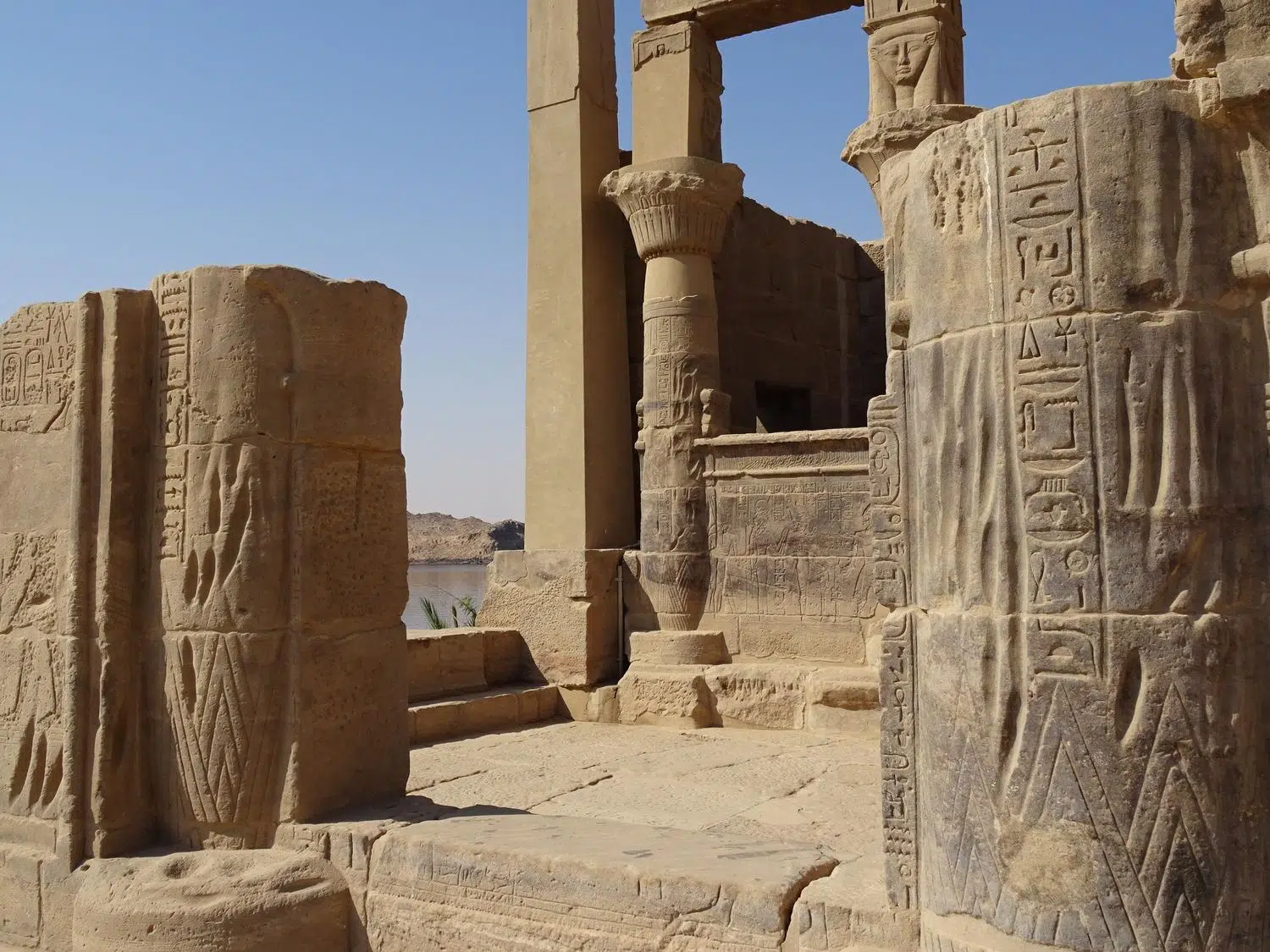
When we think of civilizations that have truly left their mark on the world, it's impossible not to mention Ancient Egypt . This extraordinary culture wasn't just a lucky moment in history, but a societal project that lasted for over three millennia, flourishing on the banks of the Nile River with a consistency that leaves anyone speechless. From the unification of Upper and Lower Egypt to the fall of Cleopatra, the Egyptians built an empire that blended profound faith, astounding engineering, and a political organization that was almost perfect for its time.
What makes all this even more interesting is how they managed to transform a harsh desert into an oasis of prosperity. Life revolved around the rhythm of the river, creating a visceral connection between nature, divinity, and government . If you want to understand how they went from small groups of hunter-gatherers to the owners of monuments that still defy logic today, you need to delve into the details of their social structure, their beliefs in the afterlife, and the military strategy that expanded their borders to the Euphrates River.

The Heart of Civilization: The Nile Valley
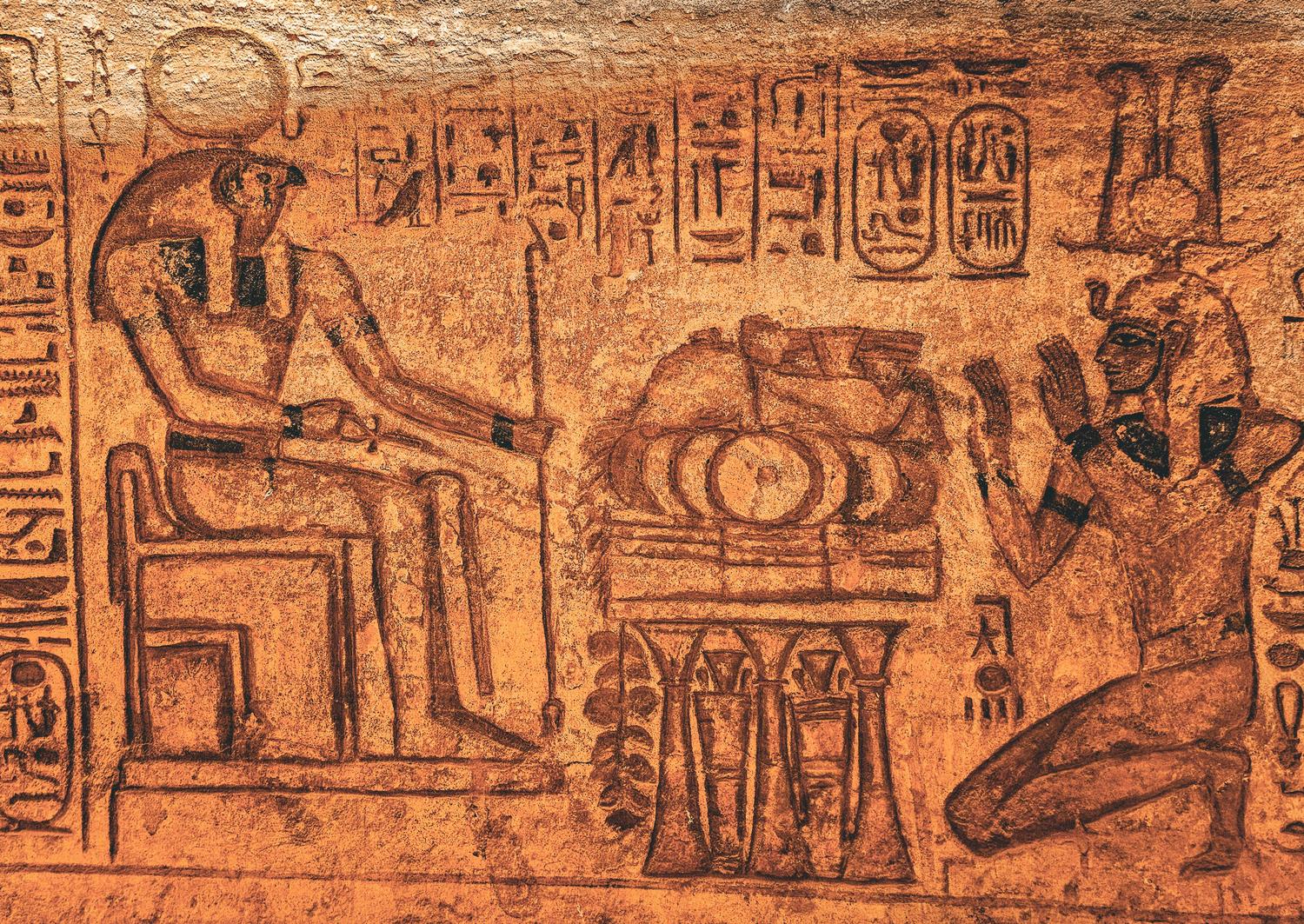
Herodotus already said that Egypt was a gift of the Nile, and he couldn't have been more accurate. Without the annual floods, known as Akhet , the region would be nothing but sand. This cycle brought silt, a natural fertilizer that made the land incredibly productive. The Egyptians were masters of irrigation, creating dikes and canals to carry water where it was needed, dividing the year into three seasons: the flood, the planting (Peret), and the harvest (Shemu). This abundance of food allowed the population not to have to spend all their time planting, opening space for the emergence of artists, scribes, and architects.
Geographically, the country was divided between Upper Egypt (in the south, in the narrow valley) and Lower Egypt (in the north, in the Delta). This separation existed since pre-dynastic times, but around 3100 BC, figures like Narmer promoted unification, creating a centralized state. The territory was protected by natural barriers, such as the Libyan Desert and the Eastern Desert, which ensured that Egyptian culture developed with a unique and original identity , suffering little external influence for long periods.

The Hierarchy of Power and the Figure of the Pharaoh
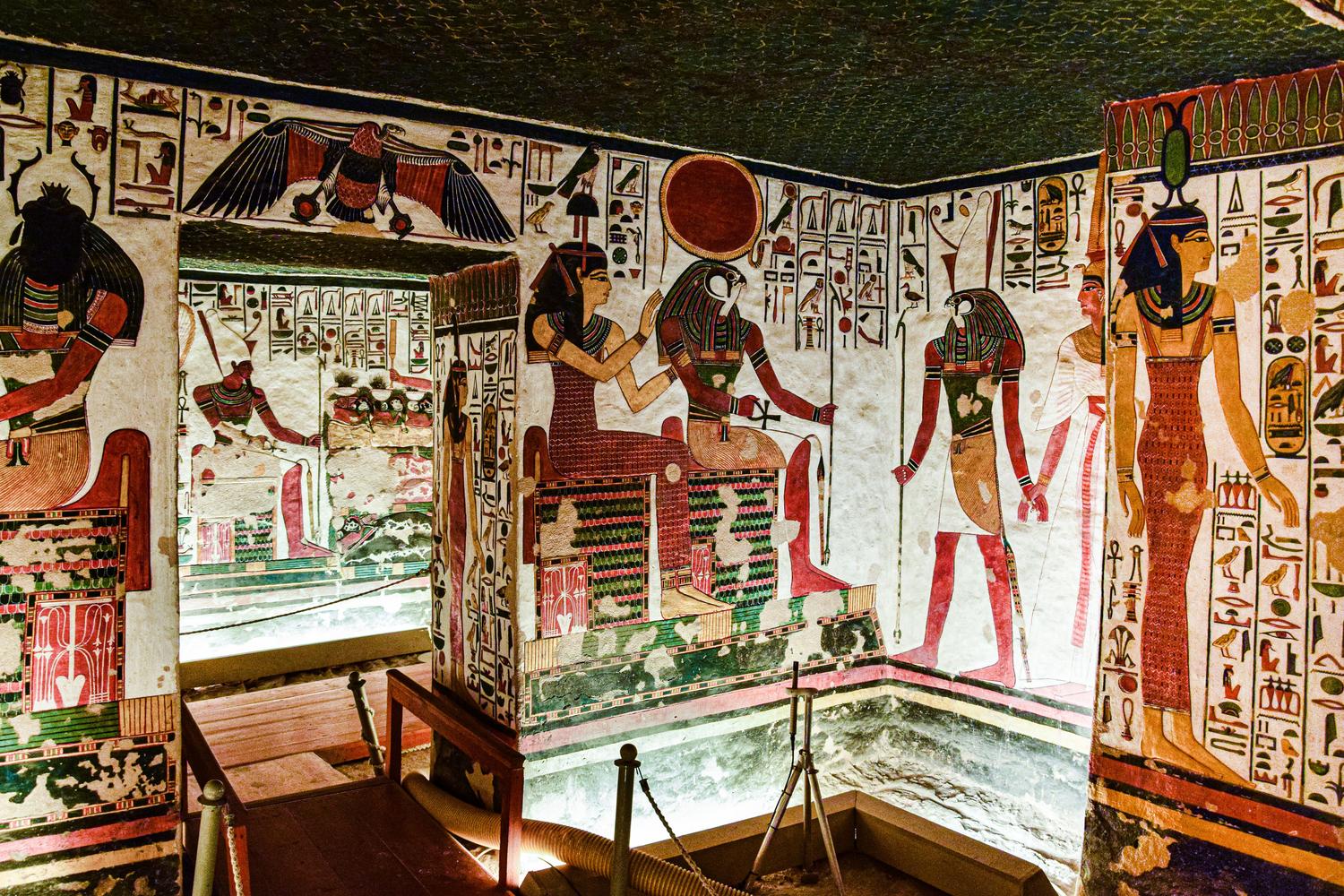
At the top of it all was the Pharaoh, who was not just a king, but a semi-divine being . He was seen as the incarnation of Horus on Earth and, after death, merged with Osiris. The government was an absolute and theocratic monarchy , where the Pharaoh ruled over everything: from justice and laws to military strategy and food redistribution . To assist in this colossal task, there was the Vizier (Tjati), who was the king's right-hand man and took care of bureaucracy, taxes, and justice.
- Priests: They administered the temples, which were powerful economic centers, and oversaw the rituals to maintain Maat (cosmic order).
- Scribes: The intellectual elite who mastered the complex writing system, recording everything from population censuses to religious hymns.
- Craftsmen and Soldiers: Responsible for the beauty of the monuments and for protecting the borders against invaders such as the Hyksos.
- Peasants (Fellahin): The base of the pyramid consisted of those who worked the land and were called upon for major public works projects during the floods.
Justice was based on common sense and the pursuit of agreements, although serious crimes such as tomb robbing were punished with death by decapitation or impalement. Society was patriarchal, but Egyptian women had surprising rights for the time, being able to own land, initiate divorces, and even assume the throne, as in the case of the famous Hatshepsut.

Timeline: From Unification to Roman Rule
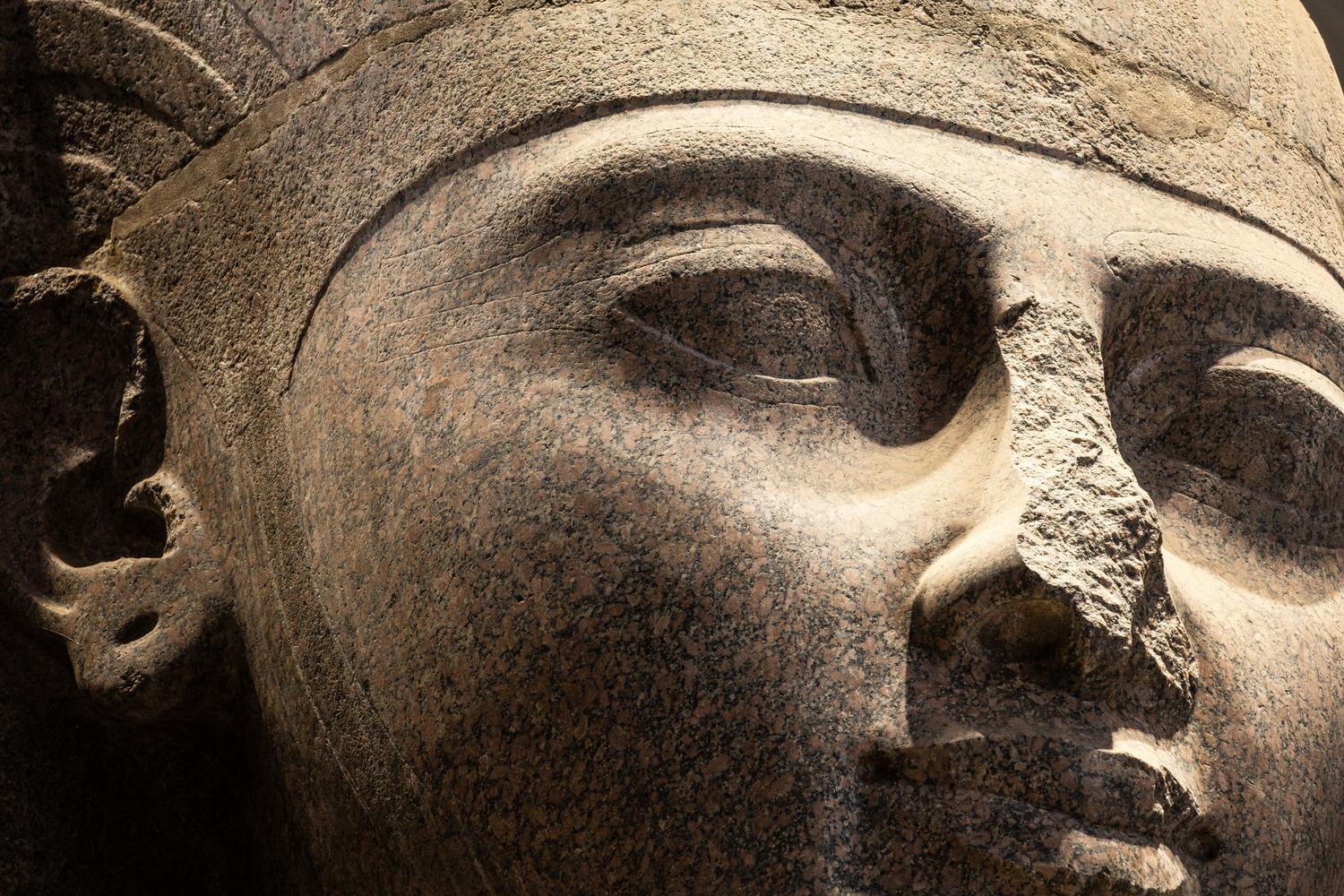
Egyptian history is divided into great kingdoms and periods of instability. In the Old Kingdom , we see the era of the great pyramids of Giza, where the centralization of power reached its peak. Then came the First Intermediate Period, marked by civil wars and famine, until the Middle Kingdom brought back stability, focusing more on commercial expansion and irrigation projects in the Fayum Valley.
The cosmopolitan peak occurred during the New Kingdom . This was the era of warrior pharaohs, such as Thutmose III, who led Egypt to dominate vast areas of Asia and Nubia. It was also during this time that the heresy of Akhenaten arose, who attempted to impose monotheism with the worship of the solar disk Aten , moving the capital to Akhetaten. Later, Ramses II consolidated his power with massive constructions and signed the first peace treaty in history after the Battle of Kadesh.
The decline began with the Third Intermediate Period, where the country was fragmented and dominated by Libyans and Kushites. The Late Period brought brief revivals, but ended with the Persian invasion. Finally, Alexander the Great conquered the region, beginning the Ptolemaic Kingdom , where Greek culture merged with Egyptian culture, culminating in the reign of Cleopatra VII. With her defeat, Egypt officially became a province of the Roman Empire in 30 BC.

Religion, Death and Eternity
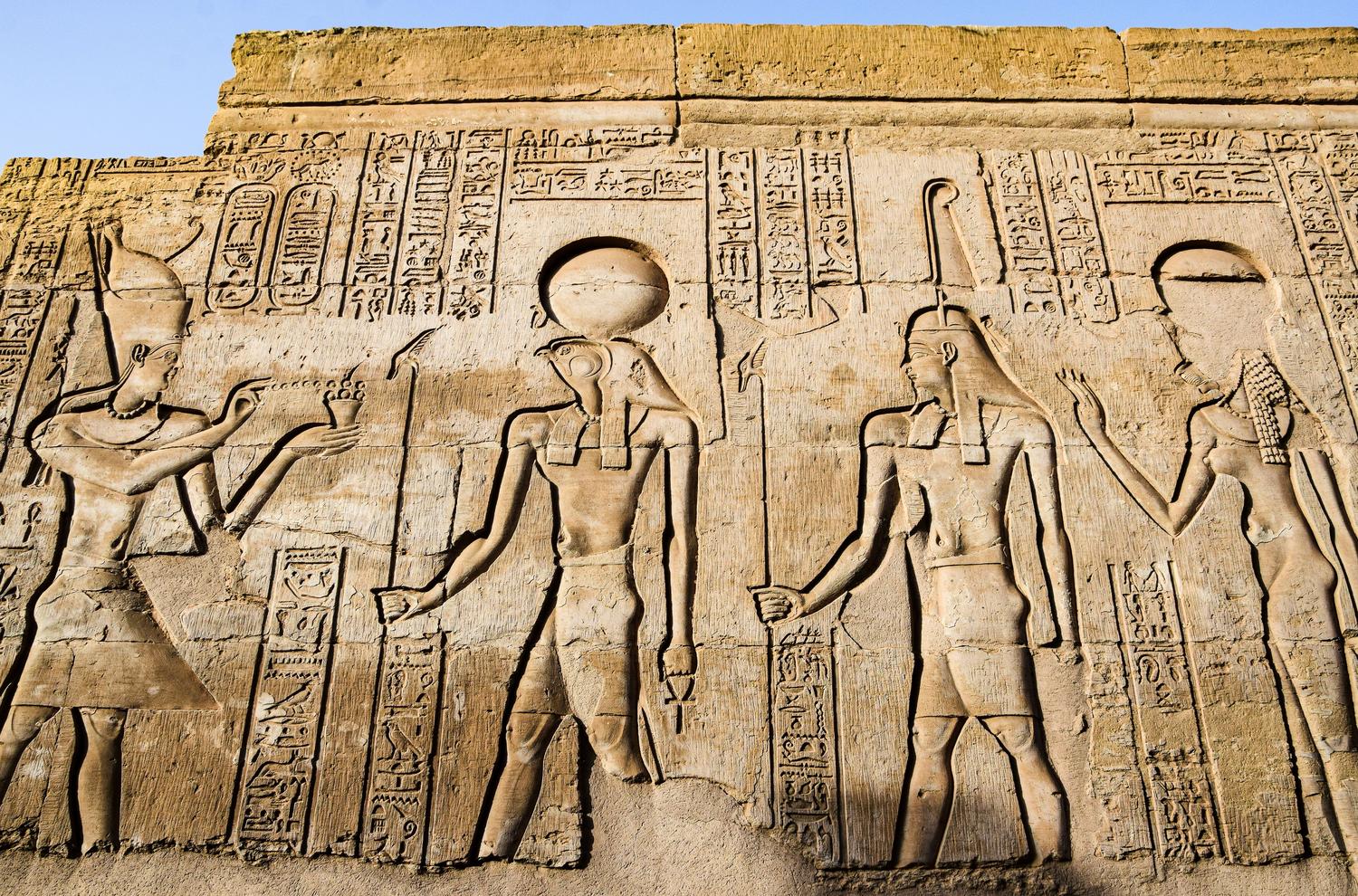
For the Egyptians, earthly life was merely a prelude to something greater. Their religion was polytheistic and deeply connected to elements of nature. Gods like Ra, Amun, and Isis were worshipped in monumental temples, but their greatest obsession was conquering death. They believed that human beings were composed of various parts, including the Ba (soul) and the Ka (vital force), which needed the physical body to survive in the afterlife.
This explains the complexity of mummification . The process involved removing organs (stored in canopic jars), dehydrating the body with natron, and wrapping it in linen. The idea was that the heart, the seat of intelligence, would be weighed on Anubis's scales against the feather of truth (Maat). If the heart was light, the person entered Osiris's Paradise ; if it was heavy with sins, it was devoured by a mythical monster.

Science, Art and Technical Knowledge
The Egyptians were not only obsessed with death; they were geniuses of practical life. In mathematics , they used a decimal system and mastered geometry to reconstruct land boundaries after floods and to erect the pyramids with millimeter precision. In medicine , they were a reference in the Near East, performing surgeries, suturing wounds, and creating the first known pharmacopoeia, mixing herbs and minerals.
Art followed the law of frontality , where the body was represented in a stylized way to convey essence and hierarchy, not realism. Colors had meanings: black symbolized the fertility of the Nile, while gold represented eternity. Hieroglyphic writing , with its hundreds of symbols, was used for sacred purposes, while hieratic and demotic scripts were the cursive versions for everyday life and administration.
Daily Life and the Economy
The economy was based on barter, as they did not use coins until the Late Period. The standard of value was the deben (a weight of copper or silver). They carried out the main economic activities of Egypt , exporting grains, papyrus, and linen, and importing cedar wood from Lebanon, gold from Nubia, and lapis lazuli from Afghanistan. Papyrus , invented by them, revolutionized the way information was stored in the ancient world.
In daily life, houses were made of mud bricks to maintain coolness. Hygiene was taken seriously, with the use of aromatic oils, perfumes, and makeup (such as kohl on the eyes), which served both for aesthetic purposes and to protect the skin from the scorching sun. The diet was rich in wheat and barley bread, beer, vegetables, and Nile fish, with meat being reserved for the elite or rituals.
All this complexity, from the meticulous management of the Nile's waters to the construction of tombs that have defied millennia, shows that Egypt was much more than a collection of ruins. It was a social and spiritual experiment that uniquely integrated politics, religion, and science, leaving a legacy that still fuels human curiosity and shapes our perception of what it means to seek immortality through culture and art.