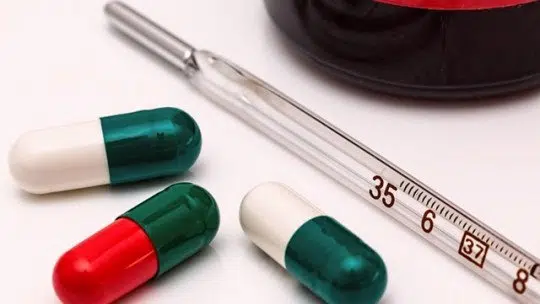
Self-medication is a common practice in today's society, where people self-medicate without proper medical guidance. Although it may seem like a quick and practical solution to alleviate symptoms, self-medication can lead to a series of negative health effects. Among the main problems are the masking of more serious illnesses, worsening of symptoms, drug resistance, harmful drug interactions, and even poisoning. It is essential to raise public awareness about the risks of self-medication and encourage proper medical follow-up to ensure everyone's health and well-being.
Common mistakes when self-medicating: find out what they are and how to avoid them.
Self-medicating may seem like a quick and practical solution for many people, but the negative effects of this practice can be serious. There are several common mistakes people make when self-medicating, and it's important to be aware of them to avoid health problems.
One of the most common mistakes is self-diagnosis . Often, people attribute their symptoms to a specific disease and take medication without the guidance of a healthcare professional. This can lead to inappropriate treatment and even worsen the health problem.
Another common mistake is prolonged self-medication . Some people end up self-medicating for long periods without seeking a doctor's opinion. This can mask the symptoms of more serious illnesses and delay a correct diagnosis.
Furthermore, the inappropriate combination of medications is also a common mistake when self-medicating. Many people take several medications at the same time without considering the possible interactions between them. This can result in unwanted side effects and even drug poisoning.
To avoid these mistakes, it's essential to always seek guidance from a healthcare professional before taking any medication. The doctor will be able to make a correct diagnosis and recommend the most appropriate treatment for each case. Furthermore, it's important to follow medical advice correctly and not stop treatment before the recommended time.
Always seeking guidance from a healthcare professional is the best way to ensure safe and effective treatment for any health problem.
Reasons that lead individuals to resort to self-medication without professional guidance.
One of the main reasons people resort to self-medication without professional guidance is the search for a quick and practical solution to their symptoms. Many people don't want to waste time scheduling a doctor's appointment and prefer to resolve the problem on their own.
Furthermore, the ease of access to over-the-counter medications in pharmacies and drugstores contributes to self-medication. Lack of information about the risks and side effects of medications is also a significant factor, as many individuals are unaware of the dangers that self-medication can pose.
Another common reason is the influence of family and friends, who often recommend medications they've already taken to treat the same symptoms. A lack of health education and a lack of awareness of the importance of consulting a qualified professional before starting treatment also contribute to self-medication.
It's important to emphasize that self-medication can have several negative health effects, such as worsening symptoms, masking more serious conditions, developing drug resistance, and even causing severe allergic reactions. Therefore, it's essential to seek professional guidance before starting any treatment.
The possible effects of excessive use of medications on human health.
Self-medicating may seem like a quick and practical solution for many people, but the negative effects of this practice can be severe and harmful to human health. Excessive medication use without the guidance of a healthcare professional can cause a series of problems, both short- and long-term.
One of the main problems with the indiscriminate use of medication is the possibility of adverse reactions . Each person reacts differently to certain substances, and use without medical supervision can lead to serious side effects, such as allergies, poisoning, and even damage to vital organs.
Furthermore, self-medication can mask the symptoms of more serious illnesses, delaying correct diagnosis and appropriate treatment. This can worsen the patient's clinical condition and hinder recovery. Chronic diseases such as diabetes, hypertension, and heart problems require constant monitoring, and self-medication can interfere with test results and the effectiveness of treatment.
Another important point to consider is the development of bacterial resistance. The indiscriminate use of antibiotics, for example, can lead to bacteria becoming resistant to the drugs, making treating infections increasingly difficult and complicated.
Therefore, it is essential to raise public awareness about the risks of self-medication and encourage people to seek medical advice whenever necessary. Health is a precious asset that must be treated responsibly and attentively, thus avoiding the potential negative effects of medication overuse on human health.
Tips for preventing risks associated with self-medication and maintaining good health.
Self-medication can pose several health risks, including unwanted side effects and worsening of illnesses. Therefore, it's essential to follow some tips to prevent these risks and maintain good health.
The first step to avoid self-medication is to consult a doctor whenever any symptoms or discomfort arise. A healthcare professional is best suited to make an accurate diagnosis and prescribe the appropriate treatment.
Furthermore, it is important to correctly follow the doctor's instructions regarding dosage and duration of treatment. Never exceed the prescribed amount of medication or interrupt treatment before the recommended time.
Avoid sharing medications with other people, as what is indicated for one person may not be suitable for another. Each body reacts differently to medications, so it is essential not to self-medicate.
It is also important to carefully read the medication's leaflet before using it, to understand possible side effects and contraindications. If you have any questions, do not hesitate to consult a healthcare professional.
Finally, remember to maintain a healthy diet , exercise regularly, and have a balanced lifestyle. This helps strengthen the immune system and prevent diseases, reducing the need for self-medication.
By following these simple tips, you can prevent the risks of self-medication and maintain your health, ensuring well-being and quality of life.
The negative effects of self-medication
One of the consequences of the current pace of life and the high demands to which we are constantly exposed is the increase in chronic stress, in addition to
episodes of depression and anxiety in the population of all age groups.
Associated with these social type variables, we also have other personal ones that enhance these states, such as
low tolerance for frustration or negative emotions, or an inadequate approach to personal experiences or complex feelings that affect us on a daily basis. In today's society, One of the most common resources for dealing with psychological suffering in the face of many of these pressures is self-medication with psychoactive drugs. , can be abused and become an additional problem.
But: are psychoactive drugs necessary?
In many cases they are . Psychiatric medication can be of great help in addressing a psychological or behavioral problem at a specific point in a person's life. Remember that the main function of these types of substances is to regulate the action of certain neurotransmitters, improving some of the symptoms experienced by those affected.
Furthermore, we
In severe mental disorders in which there is high incompatibility, we know that medication is strictly necessary and that it plays a crucial role in the patient's adaptation, although the psychological and family intervention that usually accompanies this type of cases cannot be ignored.
The psychological effects of self-medication with psychotropic drugs
However, in many other cases,
drug use is being excessive and poorly channeled as a solution to psychological discomfort that arises from everyday problems or symptoms that don't justify their use. Psychotropic medications should be prescribed by a physician and accompanied by additional psychological treatment if long-term improvements are to be maintained. We know a lot about the physiological side effects of these medications, but it's also important to highlight the psychological side effects that persist in the individual's self-efficacy or perceived problem-solving abilities.
Most of the problems that cause suffering in patients who ask for help are of psychosocial origin, not of biochemical origin, so that,
If the true cause and origin of the problem is not found, it will be difficult to find a solution and it will not even be possible to withdraw the medication (whose objective is the temporary stabilization of the symptom, and not chronic medication as a sustained solution).
Drugs without professional control: a real Russian roulette
The real problem with self-medication is the use of medication on one's own initiative , without a medical prescription, control, or professional diagnosis associated with that medication. It's a practice we've normalized as a way to cover symptoms with some urgency. How many of us have taken a pill for a headache, backache, or sleepiness at some point in our lives? In these cases, where we treat a cold or a temporary discomfort, we would be talking about responsible self-medication within a limited timeframe.
Problems arise when self-medication is prolonged excessively or established as a means to control an irritating symptom without addressing its root cause. Frequently, in such cases, the person believes they need the medication to cope with daily life or face their problems. Specifically, and especially, we refer to psychotropic antidepressants, anxiolytics, and hypnotics, whose consumption is becoming normalized in the medium and long term, even though the medications themselves have temporary usage limits.
Effects (physical and psychological) of the bad habit of self-medication
In addition to the typical physical effects when a chemical is consumed, we will point out the
tolerance , withdrawal and dependency resulting from some of these medications being uncontrolled for long periods of time.
However, the most important effect we want to highlight is psychological, due to the lack of control or responsibility for improvement. Using drugs to solve psychological problems facilitates the development of what is known as
External locus of control, diverting improvement to a resource external to and independent of the individual. A patient with symptoms of depression or anxiety may learn that they need medication to improve and act accordingly, rather than that they are capable of acting accordingly to improve. Sometimes, This effect can hinder the patient's progress, not acquiring the necessary resources to resolve a given situation alone. .
Examples and possible solutions
For example, a person with a certain
A person with social anxiety who feels great discomfort in certain situations ends up working for the public and experiencing significant anxiety, affecting their performance. Solutions require leaving the job (which isn't an option because they need financial support), actively seeking another job, resorting to anxiety medication, which they will have to continue taking as long as they continue working, or learning to cope with social situations differently, with a treatment plan that includes work anxiety, social skills, and self-esteem, among other things.
In cases like this, we try to reflect that
running away or taking drugs are methods to avoid the real problem , which contribute nothing to personal growth or learning through experience. Medication, yes, but always with supervision and in cases that require it.

Contents
- 1 Common mistakes when self-medicating: find out what they are and how to avoid them.
- 2 Reasons that lead individuals to resort to self-medication without professional guidance.
- 3 The possible effects of excessive use of medications on human health.
- 4 Tips for preventing risks associated with self-medication and maintaining good health.
- 5 The negative effects of self-medication
- 6 But: are psychoactive drugs necessary?
- 7 The psychological effects of self-medication with psychotropic drugs